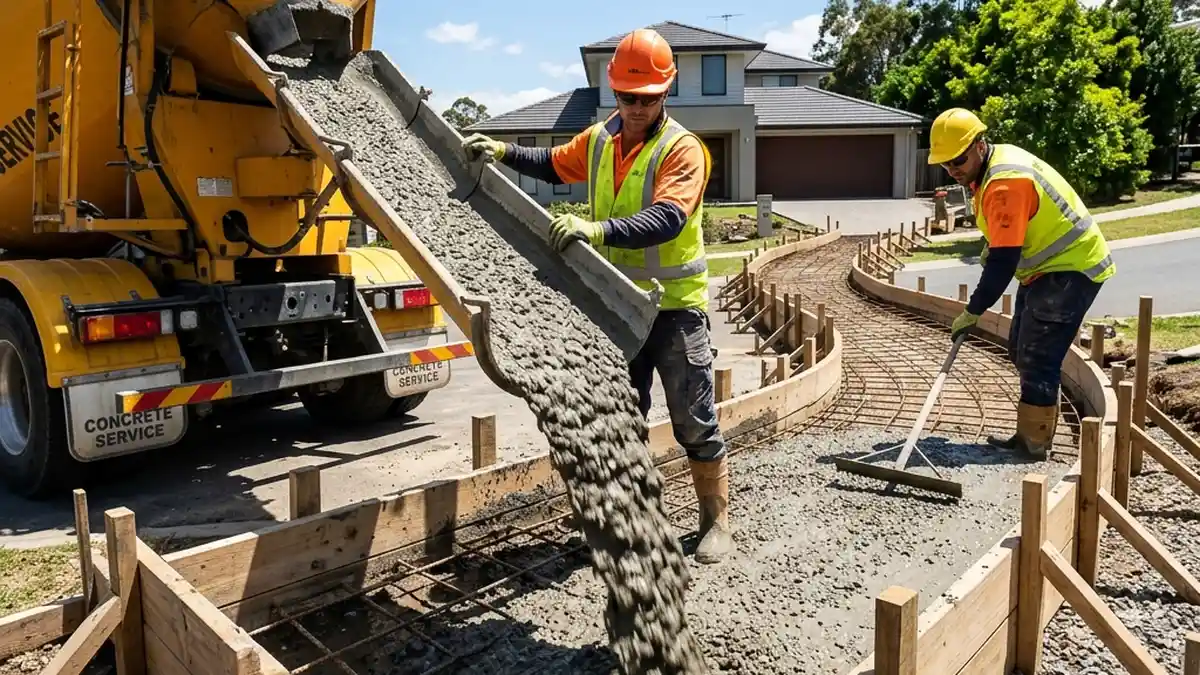
There is a lot more to concrete pouring than simply backing up a truck and letting the mud flow. Achieving a perfectly flat, structurally sound, and beautiful concrete surface requires meticulous planning, precise timing, and back-breaking labor. If you've hired professionals for a new driveway or patio, here is a behind-the-scenes look at exactly what happens on pour day.
1. Excavation and Subgrade Preparation
The success of any concrete pouring project relies heavily on the foundation. First, our team excavates the area to the required depth, removing organic topsoil and roots that would eventually rot and cause the slab to settle. Next, we grade and rigorously compact the subgrade (the natural soil) using heavy plate compactors to create a solid, uniform base. In Florida's sandy soil, this step is absolutely critical to prevent future washout.
2. Formwork and Reinforcement
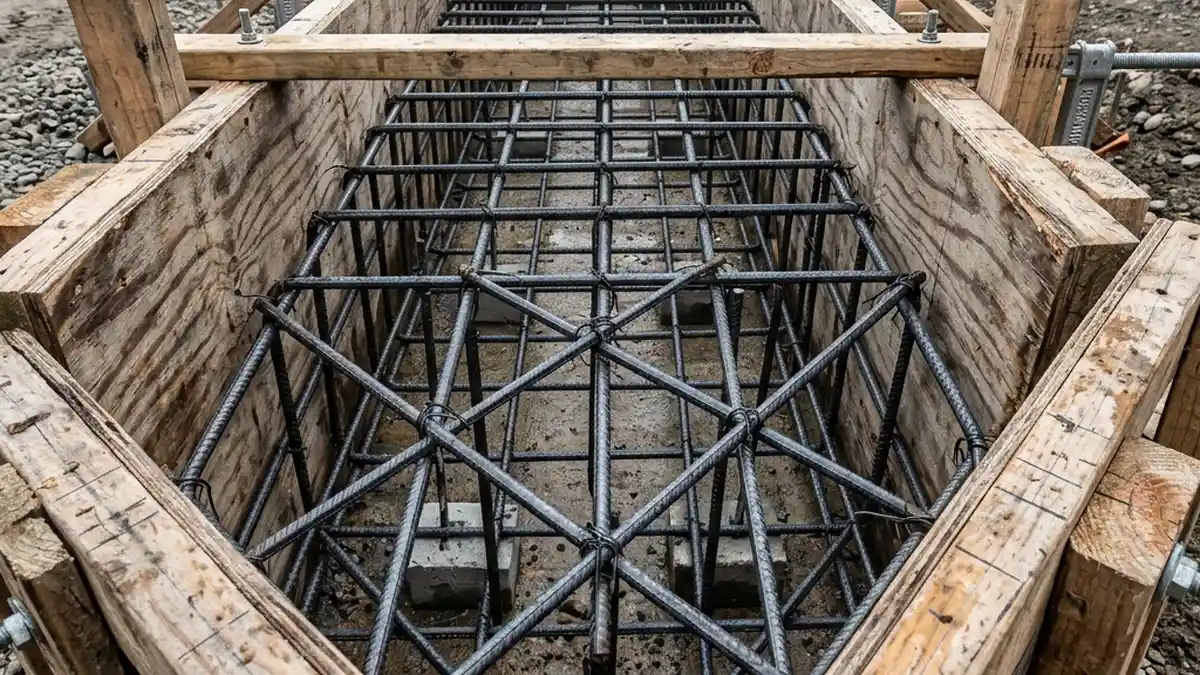
Once the base is solid, we set the wooden or metal formwork. The forms act as a mold, dictating the exact shape, elevation, and slope of the final slab. We use laser levels to ensure the water will drain perfectly away from your home's foundation. After the forms are set, we install the reinforcement—either a steel wire mesh or a grid of rebar—propped up on "chairs" so it sits precisely in the middle of the concrete slab for maximum tensile strength.
3. The Concrete Pouring Process
When the ready-mix truck arrives, timing is everything. Concrete begins to cure as soon as it leaves the plant. The crew works in orchestrated chaos to place the concrete exactly where it needs to go, spreading it evenly with rakes and shovels. We then use a "screed" (a long, straight piece of wood or aluminum) to strike off the excess concrete and level it with the top of the forms.
4. Floating and Finishing
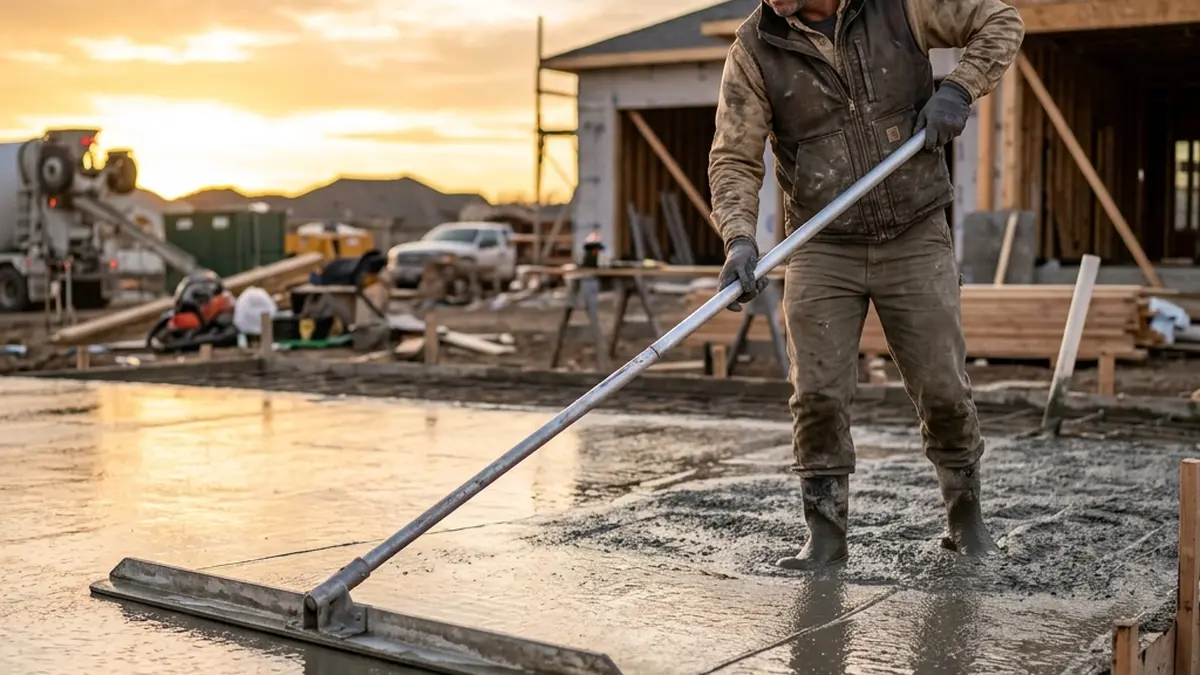
Immediately after screeding, a worker pushes a large, flat tool called a "bull float" across the surface. This pushes the large aggregate (rocks) down and brings the smooth "cream" (cement paste) to the surface. As the bleed water evaporates, the crew uses hand trowels or power trowels to create the final finish—whether that's a smooth garage floor, a slip-resistant broom finish for a driveway, or an intricate stamped pattern.
5. Curing and Jointing
Finally, we cut control joints into the slab. Concrete shrinks as it cures, and it will eventually crack. Control joints act as planned weaknesses, ensuring that when the concrete cracks, it does so invisibly inside the joint rather than randomly across the surface. We then apply a high-quality curing compound to seal in the moisture and allow the slab to reach its maximum strength.
At Davie Concrete, our concrete pouring process is refined to a science. Contact us today to ensure your next project is handled by the true experts.